-
·
Jon Fosse, the Nobel Prize, and the Art of What Can’t Be Named
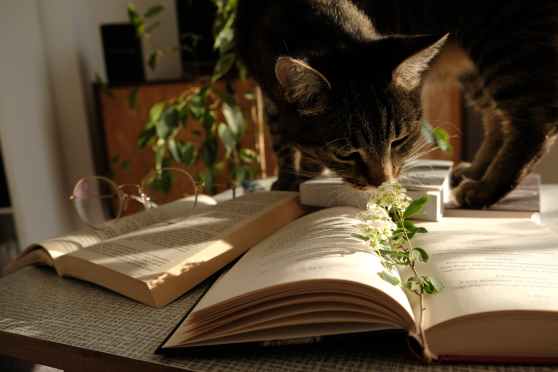
In his novels and plays, the Norwegian author has continually probed the limits of the perceptible world. By Merve Emre, October 6, 2023 In Oslo, in September, I attended the preview of Jon Fosse’s play “I Svarte Skogen Inne” (“Inside the Black Forest”). The theatre was small and dark, without a stage, and the scenery…
-
·
Retirement the Margaritaville Way | The New Yorker
At the active-living community for Jimmy Buffett enthusiasts, it’s five o’clock everywhere. Letter from Daytona Beach… By Nick Paumgarten, March 21, 2022 The first person I met at the Bar & Chill was a bald guy in a black T-shirt, black drawstring shorts, and flip-flops, with a Harley-Davidson tattoo on his right arm and a…
-

·
The New Trump Indictment and the Reckoning Ahead
With the former President still far ahead of the rest of the Republican field, the American electorate is headed for a crucial test. By David Remnick, August 1, 2023 To read the stark criminal indictment, returned by a federal grand jury on Tuesday, charging Donald Trump with conspiring to steal the 2020 Presidential election is…
-
·
When the Culture Wars Come for the Public Library | The New Yorker
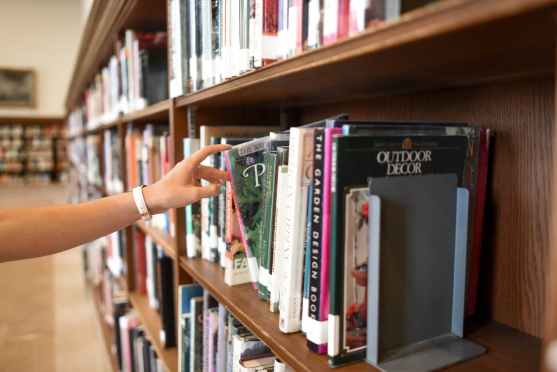
A Montana county’s battle shows how faith in public learning and public space is fraying. By E. Tammy Kim, April 20, 2023 Every public library is an exception. The world outside is costly and cordoned off, but here no one is charged, and no one is turned away. People browse for books and go online.…
-
·
The “Dazed and Confused” Generation | The New Yorker
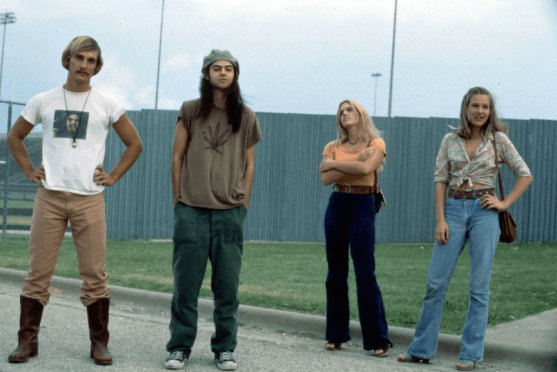
People my age are described as baby boomers, but our experiences call for a different label altogether. By Bruce Handy, March 2, 2023 It has long been fashionable to hate baby boomers, “America’s noisiest if no longer largest living generation,” as the Times critic Alexandra Jacobs wrote recently. But I remain on the fence. I…
-

·
The Philosopher Who Believes in Living Things | The New Yorker
Jane Bennett argues that the stuff that surrounds us isn’t inert—it has a will of its own. By Morgan Meis, February 28, 2023 I often watch the television show “Hoarders.” One of my favorite episodes features the pack rats Patty and Debra. Patty is a typical trash-and-filth hoarder: her bathroom contains horrors I’d rather not…
-
·
The Archives of the East Village Eye Go to the New York Public Library | The New Yorker
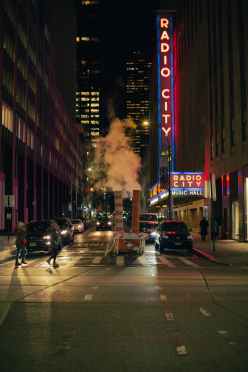
Leonard Abrams started the paper, which chronicled the cultural life of downtown New York, in 1979. After trying for eight years to place its archives, he handed them off to the library last fall. By Hannah Gold, February 7, 2023 In November, Leonard Abrams opened every box in his storage locker in Ridgewood, Queens, and…
-

·
When Americans Lost Faith in the News | The New Yorker
Half a century ago, most of the public said they trusted the news media. Today, most say they don’t. What happened to the power of the press? By Louis Menand, January 30, 2023 When the Washington Post unveiled the slogan “Democracy Dies in Darkness,” on February 17, 2017, people in the news business made fun…
-
·
Returning, Again, to Robert M. Pirsig | The New Yorker
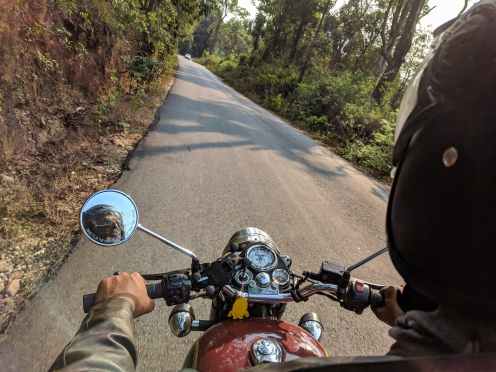
All roads lead to “Zen and the Art of Motorcycle Maintenance.” By Jay Caspian Kang, October 25, 2022 Every writer I know has memories they return to in their work over and over again. There is rarely much logic to the choices, nor do such memories tend to align with the sorts of significant events…
-

·
Peak Cuteness, and Other Revelations from the Science of Puppies | The New Yorker
A new book explores how dogs and people grow up together. By Rivka Galchen, September 18, 2022 Alexandra Horowitz, the head scientist at Barnard College’s Dog Cognition Lab, has conducted a longitudinal observational study on the first year of life of a member of Canis lupus familiaris. In other words, like many others, Horowitz got…
-
·
What We Gain from a Good Bookstore | The New Yorker
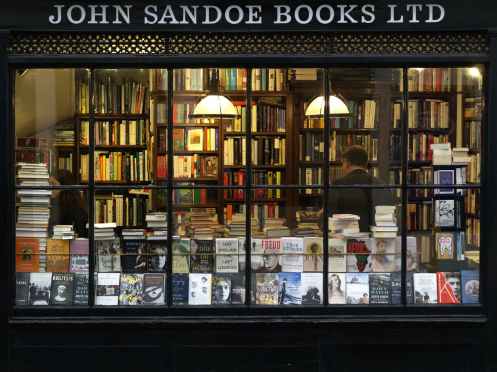
It’s a place whose real boundaries and character are much more than its physical dimensions. By Max Norman, August 6, 2022 “Will the day come where there are no more secondhand bookshops?” the poet, essayist, and bookseller Marius Kociejowski asks in his new memoir, “A Factotum in the Book Trade.” He suspects that such a…
-
·
Swamps Can Protect Against Climate Change, If We Only Let Them | The New Yorker
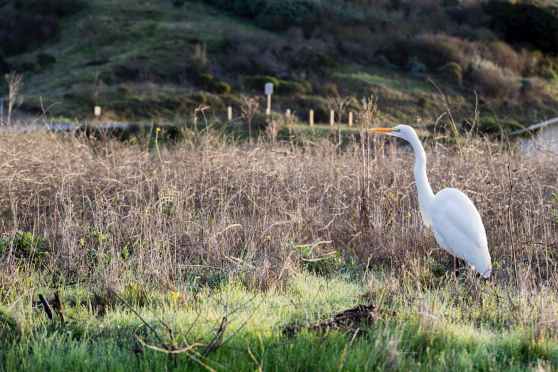
Wetlands absorb carbon dioxide and buffer the excesses of drought and flood, yet we’ve drained much of this land. Can we learn to love our swamps? By Annie Proulx, June 27, 2022 It can be hell finding one’s way across an extensive boggy moor—the partially dry, rough ground and the absence of any landmarks let…
