-

·
Retirement the Margaritaville Way | The New Yorker
By Nick Paumgarten, March 21, 2022 The first person I met at the Bar & Chill was a bald guy in a black T-shirt, black drawstring shorts, and flip-flops, with a Harley-Davidson tattoo on his right arm and a claddagh ring on his left hand. He was drinking and laughing with a few friends. He…
-
·
Sherlock Holmes, Scientific Detective | The New Yorker
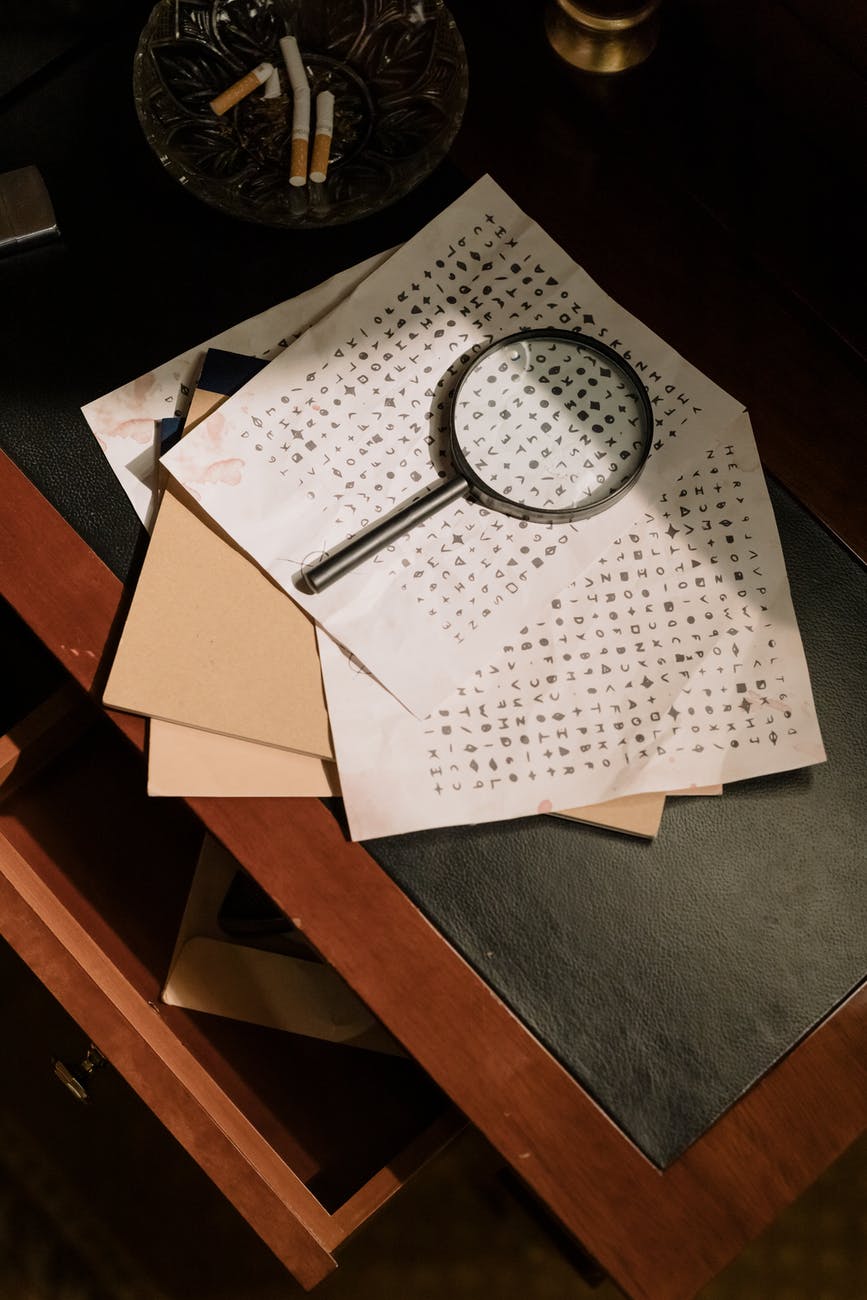
Arthur Conan Doyle’s creation was born into an age of stunning change. How did Holmes react to his era? By Rivka Galchen, January 31, 2022 The Grolier Club, a private society for bibliophiles on the Upper East Side, with its marble foyer and dark wood-panelled gallery, would be a fine stage for a nineteenth-century fictional…
-
·
The Real Places That Gave Rise to Southern Fictions | The New Yorker
By Casey Cep, January 12, 2022 There is a cheap way of invoking the American South—common to country songs and television shows and pulpy novels—that involves setting the scene with cornfields or battlefields and setting the table with gravy and grits. You know that you’re in the midst of it when an otherwise deracinated character…
-

·
The Enduring Appeal of “Dune” as an Adolescent Power Fantasy | The New Yorker
When you’re a teen-ager like Paul Atreides, it can seem like authority figures are always forcing you to do pointless, excruciating things. By Ed Park, October 27, 2021 Pressed inside an old book of mine is a gray sheet of paper, folded in uneven quarters, titled “Dune Terminology.” On it, there are thirty-seven words and…
-

·
When “Foundation” Gets the Blockbuster Treatment, Isaac Asimov’s Vision Gets Lost | The New Yorker
The TV version of the classic sci-fi saga sidelines its source’s most pressing questions about power and precarity. By Julian Lucas, November 1, 2021 An innocent viewer of the new Apple TV+ series “Foundation”—a lavish production complete with clone emperors, a haunted starship, and a killer android who tears off her own face—might be surprised…
-
·
What American Christians Hear at Church | The New Yorker
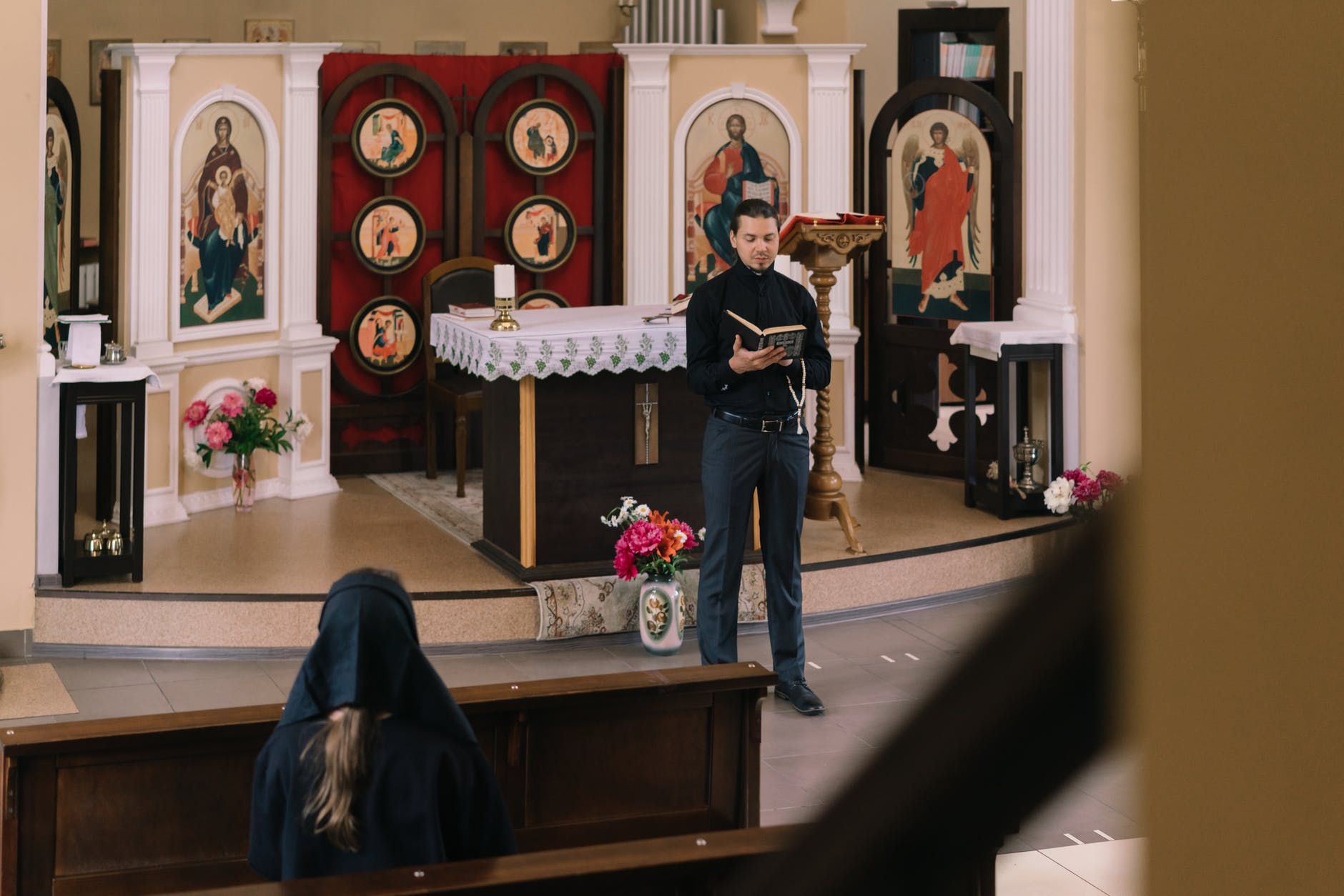
Drawing on newly ubiquitous online services, Pew has tried to catalogue the subject matter of contemporary sermons. By Casey Cep, October 7, 2021 “Now that I have preached about a dozen sermons I find I am repeating myself,” a young minister wrote despairingly in his diary in 1915. He was barely out of school and…
-

·
An App Called Libby and the Surprisingly Big Business of Library E-books | The New Yorker
Increasingly, books are something that libraries do not own but borrow from the corporations that do. By Daniel A. Gross, September 2, 2021 Steve Potash, the bearded and bespectacled president and C.E.O. of OverDrive, spent the second week of March, 2020, on a business trip to New York City. OverDrive distributes e-books and audiobooks—i.e., “digital…
-

·
Why Are So Many Knowledge Workers Quitting? | The New Yorker
The coronavirus pandemic threw everyone into Walden Pond. By Cal Newport, August 16, 2021 Last spring, a friend of mine, a writer and executive coach named Brad Stulberg, received a troubling call from one of his clients. The client, an executive, had suddenly started losing many of his best employees, and he couldn’t really explain…
-

·
How Cultural Anthropologists Redefined Humanity | The New Yorker
A brave band of scholars set out to save us from racism and sexism. What happened? By Louis Menand, August 19, 2019 Editor’s note: Includes audio of article… Not that long ago, Margaret Mead was one of the most widely known intellectuals in America. Her first book, “Coming of Age in Samoa,” published in 1928,…
-
·
How the Pentagon Started Taking U.F.O.s Seriously | The New Yorker
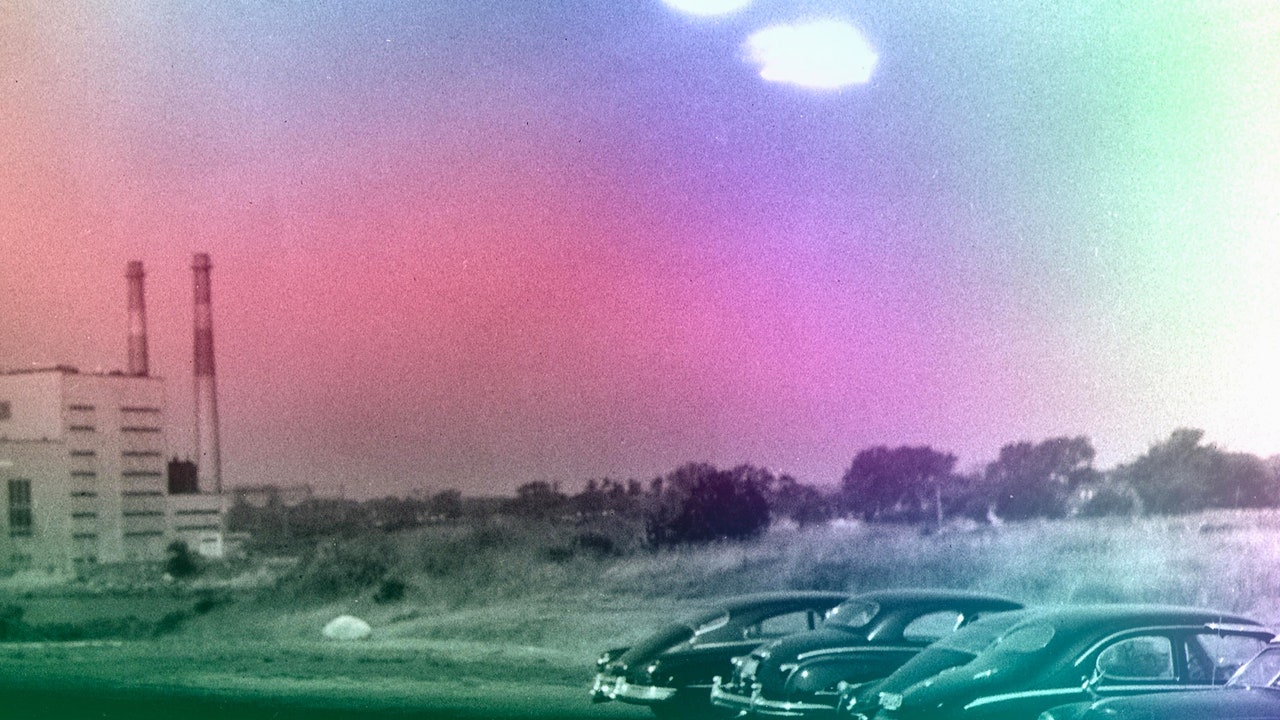
For decades, flying saucers were a punch line. Then the U.S. government got over the taboo By Gideon Lewis-Kraus, April 30, 2021 On May 9, 2001, Steven M. Greer took the lectern at the National Press Club, in Washington, D.C., in pursuit of the truth about unidentified flying objects. Greer, an emergency-room physician in Virginia…
-

·
“Exterminate All the Brutes,” Reviewed: A Vast, Agonizing History of White Supremacy | The New Yorker
Raoul Peck’s four-hour documentary on HBO Max reveals the racist underpinnings of American national mythology and European society. Drawing on archival material and the work of historians, the film distills the legacies of colonialism and racism.Photograph courtesy HBO By Richard Brody, April 9, 2021 The new four-part series by Raoul Peck, “Exterminate All the Brutes,”…
-
·
A Death in the Afternoon | The New Yorker
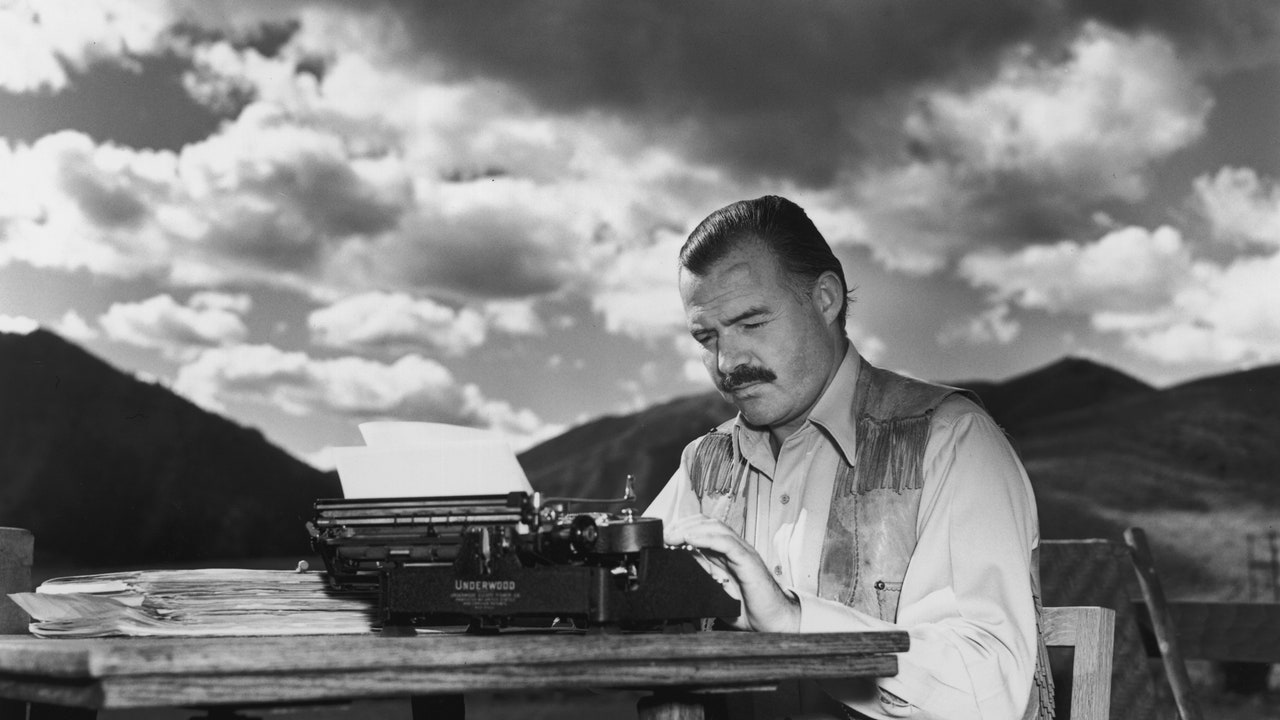
A Death in the Afternoon, By Tobias Wolff, February 20, 2021 On July 2, 1961, I was sitting in the parking lot at Convair Astronautics in San Diego, listening to music on the car radio while my older brother, Geoffrey, interviewed for a job with the company. Our father had been working there, but had…
