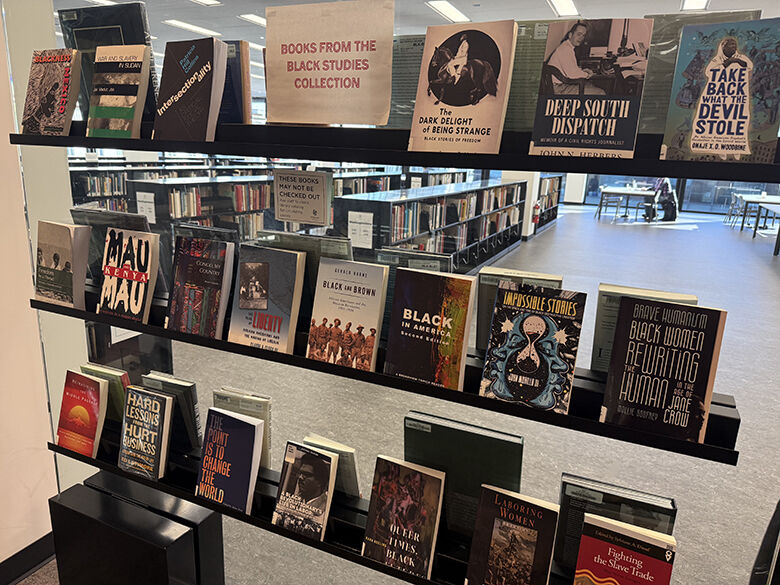

Libraries Can’t Get Their Loaned Books Back Because of Trump’s Tariffs
By Emanuel Maiberg, Oct 6, 2025 at 10:05 AM
Libraries have shared their collections internationally for decades. Trump’s tariffs are throwing that system into chaos and can ‘hinder academic progress.’
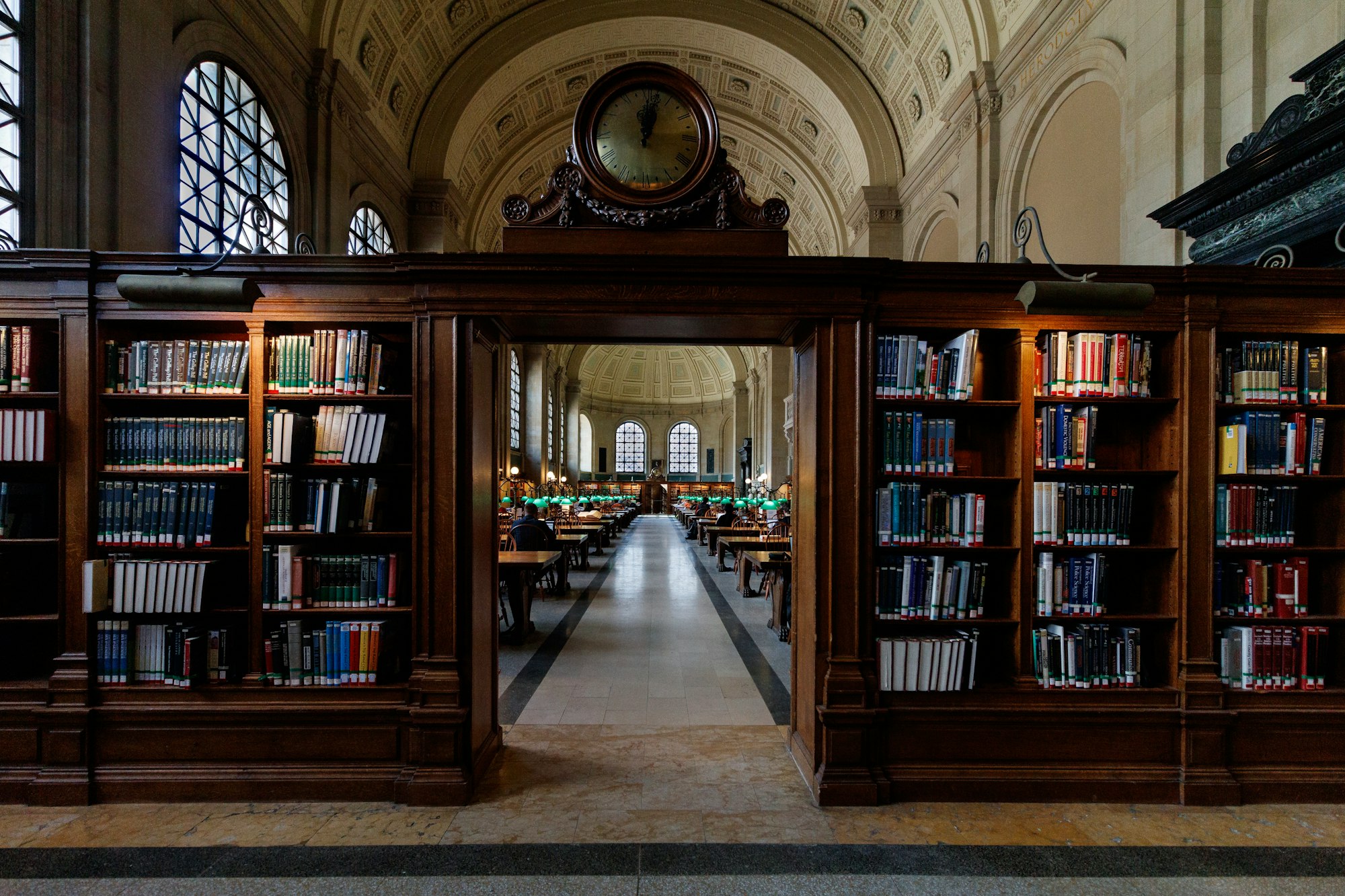
The Trump administration’s tariff regime and the elimination of fee exemptions for items under $800 is limiting resource sharing between university libraries, trapping some books in foreign countries, and reversing long-held standards in academic cooperation.
“There are libraries that have our books that we’ve lent to them before all of this happened, and now they can’t ship them back to us because their carrier either is flat out refusing to ship anything to the U.S., or they’re citing not being able to handle the tariff situation,” Jessica Bower Relevo, associate director of resource sharing and reserves at Yale University Library, told me.
After Trump’s executive order ended the de minimis exemption, which allowed people to buy things internationally without paying tariffs if the items cost less than $800, we’ve written several stories about how the decision caused chaos over a wide variety of hobbies that rely on people buying things overseas, especially on Ebay, where many of those transactions take place.
Libraries that share their materials internationally are in a similar mess, partly because some countries’ mail services stopped shipments to and from the U.S. entirely, but the situation for them is arguably even more complicated because they’re not selling anything—they’re just lending books.
“It’s not necessarily too expensive. It’s that they don’t have a mechanism in place to deal with the tariffs and how they’re going to be applied,” Relevo said. “And I think that’s true of U.S. shipping carriers as well. There’s a lot of confusion about how to handle this situation.”
“The tariffs have impacted interlibrary loans in various ways for different libraries,” Heather Evans, a librarian at RMIT University in Australia, told me in an email. “It has largely depended on their different procedures as to how much they have been affected. Some who use AusPost [Australia’s postal service] to post internationally have been more impacted and I’ve seen many libraries put a halt on borrowing to or from the US at all.” (AusPost suspended all shipments to the United States but plans to renew them on October 7).
Relevo told me that in some cases books are held up in customs indefinitely, or are “lost in warehouses” where they are held for no clear reason.
As Relevo explains it, libraries often provide people in foreign institutions books in their collections by giving them access to digitized materials, but some books are still only available in physical copies. These are not necessarily super rare or valuable books, but books that are only in print in certain countries. For example, a university library might have a specialized collection on a niche subject because it’s the focus area of a faculty member, a French university will obviously have a deeper collection of French literature, and some textbooks might only be published in some languages.
A librarian’s job is to give their community access to information, and international interlibrary loans extend that mission to other countries by having libraries work together. In the past, if an academic in the U.S. wanted access to a French university’s deep collection of French literature, they’d have to travel there. Today, academics can often ask that library to ship them the books they want. Relevo said this type of lending has always been useful, but became especially popular and important during COVID lockdowns, when many libraries were closed and international travel was limited.
“Interlibrary loans has been something that libraries have been able to do for a really long time, even back in the early 1900s,” Relevo said. “If we can’t do that anymore and we’re limiting what our users can access, because maybe they’re only limited to what we have in our collection, then ultimately could hinder academic progress. Scholars have enjoyed for decades now the ability to basically get whatever they need for their research, to be very comprehensive in their literature reviews or the references that they need, or past research that’s been done on that topic, because most libraries, especially academic libraries, do offer this service […] If we can’t do that anymore, or at least there’s a barrier to doing that internationally, then researchers have to go back to old ways of doing things.”
See Also: Another version of this story online in the blog.
Continue/Read Original Article: https://www.404media.co/libraries-cant-get-their-loaned-books-back-because-of-trumps-tariffs/
Discover more from DrWeb's Domain
Subscribe to get the latest posts sent to your email.