

Special Series, Word of the week
The delightful history behind serendipity suggests it’s not mere luck
January 7, 20265:00 AM ET, Heard on All Things Considered

By Juliana Kim, 2-Minute Listen
In the new year, we can all use some serendipity, right?
Since the word was coined in the 18th century, “serendipity” has been used to describe all kinds of scientific and technological breakthroughs, including penicillin, the microwave oven and Velcro. (More on these below.)
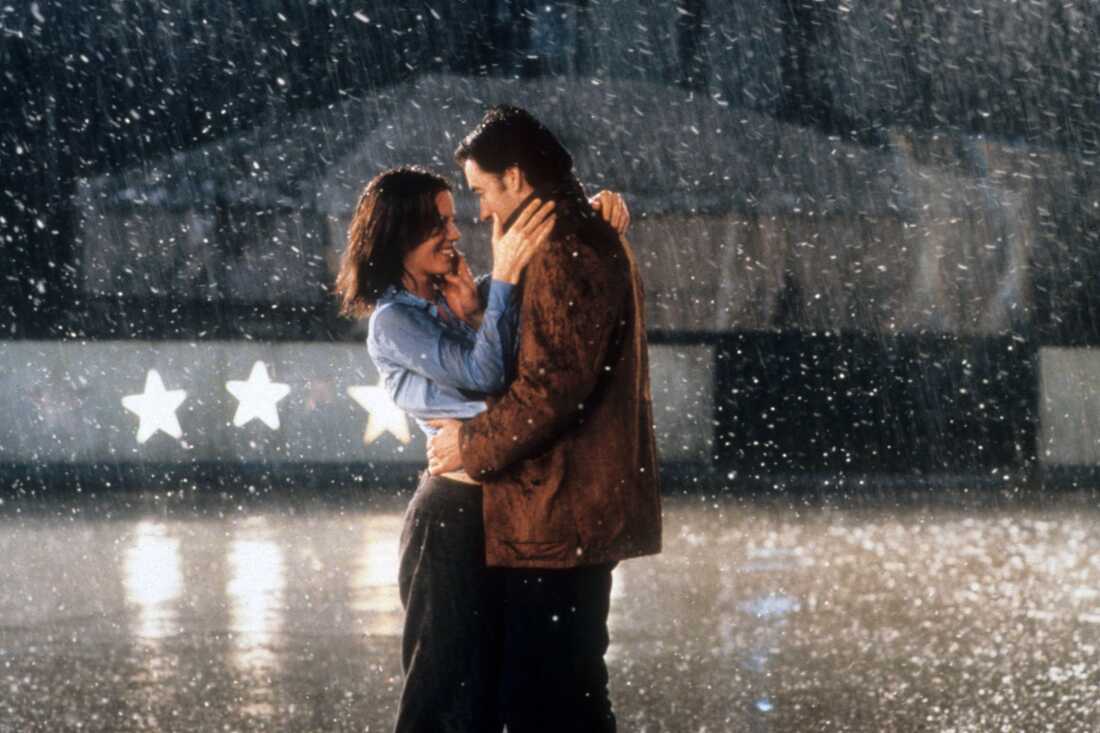
The whimsical term has also been the title of countless poems, songs and books about remarkable coincidences or eureka moments. And let’s not forget that it was the name of the charming 2001 romantic comedy about two strangers — played by John Cusack and Kate Beckinsale — meeting and reuniting during chance encounters.
“Serendipity” — as the Merriam-Webster dictionary defines it — is “the ability to find valuable or agreeable things not sought for” or “luck that takes the form of such finding.”
While the word has often been associated with good fortune or happy accidents, its origin suggests that serendipity goes beyond just happenstance. Some researchers argue that serendipity can be acquired through skill and that opportunities for serendipitous moments occur more frequently than we realize.
In this week’s installment of NPR’s Word of the Week, we dive into the roots of serendipity, its impact throughout history and tips on how we can cultivate it ourselves.
Serendipity’s wayward journey
While serendipity is all about the unexpected, its origins are less mysterious.


Continue/Read Original Article Here: The delightful history behind serendipity suggests it’s not mere luck : NPR
Discover more from DrWeb's Domain
Subscribe to get the latest posts sent to your email.