
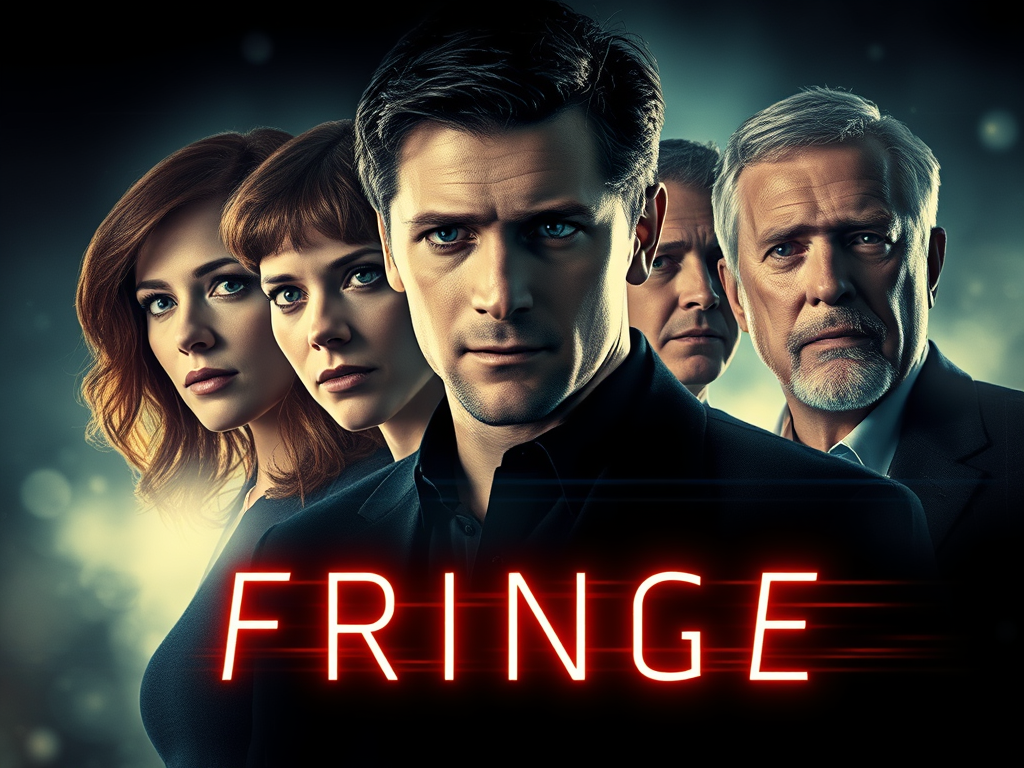
Fringe Was The Ultimate Episodic Sci-Fi TV Show Of The 21st Century


By Rob Sperduto, Published 2 days ago
Rob Sperduto is a Contributor for Screen Rant, covering Classiv TV. He’s covered film, TV, and video games for 5 years, combining sharp editorial judgment with a storyteller’s eye. Known for his insightful analysis and clear voice, Rob helps audiences understand not just what’s trending, but why it matters. He is always looking for the next great story across all media.
Rob is also a content strategist, and his work can be seen across The Direct, Attack of the Fanboy, We Got This Covered, and Pro Game Guides.
Here is a fact-based summary of the story contents:
Fringe was the kind of show that doesn’t exist anymore—strange, ambitious, yet patient enough to play the long game of procedural network television. Premiering in 2008, it followed Agent Olivia Dunham, scientist Walter Bishop, and his son Peter as they investigated the edges of modern science for the FBI’s Fringe Division.
What started as one of the best monster-of-the-week horror shows slowly unraveled into a story about loss, memory, and the limits of reason. The show’s science fiction was rooted in universal storytelling, where every experiment was carried out by people trying to fix what life had already taken.
That blend of invention and empathy made Fringe feel distinct even in its era. It was mysterious as far as shows like Lost go, and had the structure of The X-Files, but it carried itself with more sincerity. And its storytelling asked for the same stamina it gave; a demanding 20+ episodes per season. Fringe demanded investment, and it earned it by making every anomaly feel human.
Fringe Was The Ultimate Episodic Sci-Fi TV Show Of The 21st Century

Every week, Fringe opened with something impossible, like a plane full of crystallized corpses, a man aging decades in minutes, or a city caught between universes, and it thrived on that structure. The cases were bizarre, but the rhythm was deliberate, and within that rhythm, the show found room for emotion to surface in ways serialized dramas rarely allow.
Walter Bishop’s experiments carried the show’s moral gravity, where every discovery felt like restitution for what he’d done to his son, and every new case echoed the same guilt in different forms. Olivia Dunham’s composure gave those stories weight, frequently grounding the science in human cost, and she was always studying the consequences of hunting monsters.

See also: https://screenrant.com/db/tv-show/fringe
Continue/Read Original Article Here: Fringe: The Ultimate Episodic Sci-Fi Show of the 21st Century
Discover more from DrWeb's Domain
Subscribe to get the latest posts sent to your email.